
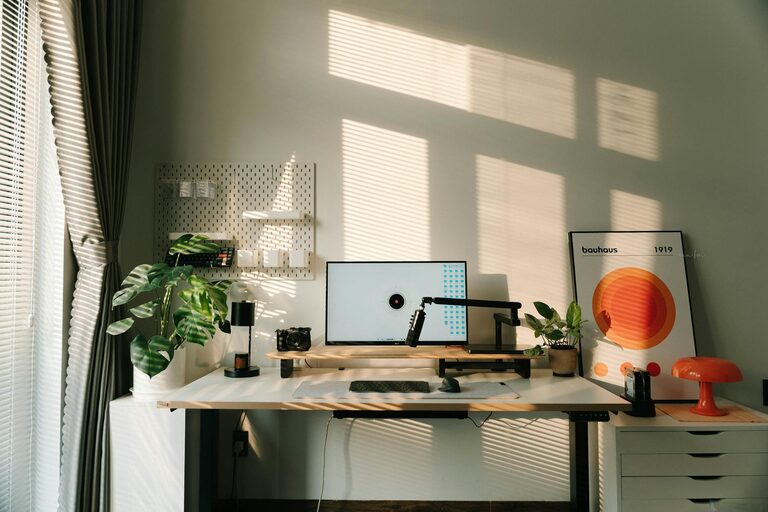
Creating a home office that feels both cozy and functional can significantly enhance your comfort and productivity. With many people working remotely or pursuing creative projects from home, having a dedicated workspace tailored to your needs is more important than ever. This guide offers practical tips on setting up a home office that supports focus, inspires creativity, and feels welcoming.
Why a Cozy and Functional Home Office Matters
A home office isn’t just a desk and a chair. It’s a space where focus meets comfort. When your workspace feels inviting, you’re more likely to settle in, stay organized, and enjoy your work. Combining functionality with coziness helps reduce stress and boosts creativity.
—
Choosing the Right Location
Find a Quiet Spot
Select a part of your home with minimal distractions. A quiet corner, spare room, or even a section of your living room can work. Consider noise levels and how much privacy you need during work hours.
Consider Natural Light
Natural light improves mood and reduces eye strain. Position your desk near a window if possible. Avoid placing your screen directly opposite or in front of a window to minimize glare.
—
Designing Your Space for Comfort and Efficiency
Invest in an Ergonomic Chair and Desk
Comfort is key for long hours at your desk. Choose a chair that supports good posture with adjustable height and backrest. A desk at the right height prevents strain and promotes productivity.
Organize for Accessibility
Keep frequently used items within arm’s reach. Use desk organizers, shelves, or drawer dividers to reduce clutter. Clear surfaces help maintain focus and efficiency.
Personalize Your Workspace
Add personal touches like photos, artwork, or plants to create a warm atmosphere. These elements can boost mood and reduce stress without distracting from your work.
—
Lighting Tips for a Cozy Office
Layer Your Lighting
Combine ambient lighting with task and accent lights. A desk lamp with adjustable brightness enhances focus, while soft overhead lights help create a relaxing environment.
Use Warm Light Bulbs
Warm white bulbs (around 2700K–3000K) create a cozy feel compared to harsh, cool lights. This balance helps you stay alert without overstimulating your eyes.
—
Maximize Storage and Declutter
Use Vertical Space
Install shelves or wall-mounted storage to keep your desk clear. Vertical storage frees up floor space and keeps essentials visible and accessible.
Declutter Regularly
A tidy workspace supports a clear mind. Set aside time weekly to organize papers, files, and supplies. Consider digital tools to minimize paper clutter.
—
Incorporate Comfortable Textiles
Add Rugs and Cushions
A soft rug underfoot and cushions on your chair can make your office feel more inviting. Textiles also help absorb sound, reducing noise distractions.
Use Curtains or Blinds
Window treatments allow you to control light and privacy. Choose materials and colors that complement your overall design and enhance comfort.
—
Technology and Connectivity
Ensure Reliable Internet
A strong internet connection is essential for remote work and video calls. Position your router for optimal coverage or consider a wired connection if possible.
Manage Cables Effectively
Use cable organizers or clips to prevent tangles and maintain a neat workspace. A clutter-free desk helps you focus better.
—
Balance Work and Break Areas
Include a Relaxation Corner
If space allows, add a small area with a comfy chair or bean bag for breaks. This helps you step away mentally without leaving the room.
Keep Water and Snacks Handy
Staying hydrated and nourished aids concentration. Keep a water bottle or small snack station nearby.
—
Final Thoughts
Creating a cozy and functional home office space is about blending practical design with personal comfort. With thoughtful planning and the right touches, your workspace can become a place you look forward to spending time in. Whether you’re working, studying, or pursuing hobbies, an inviting office helps you stay motivated and productive.
—
Remember, the best office is one that meets your unique needs and preferences. Start small, experiment with layouts and decor, and gradually improve your space until it feels just right. Happy working!